Cecilie Waagner Falkenstrøm
Alas, in Vain, Beloved Machine

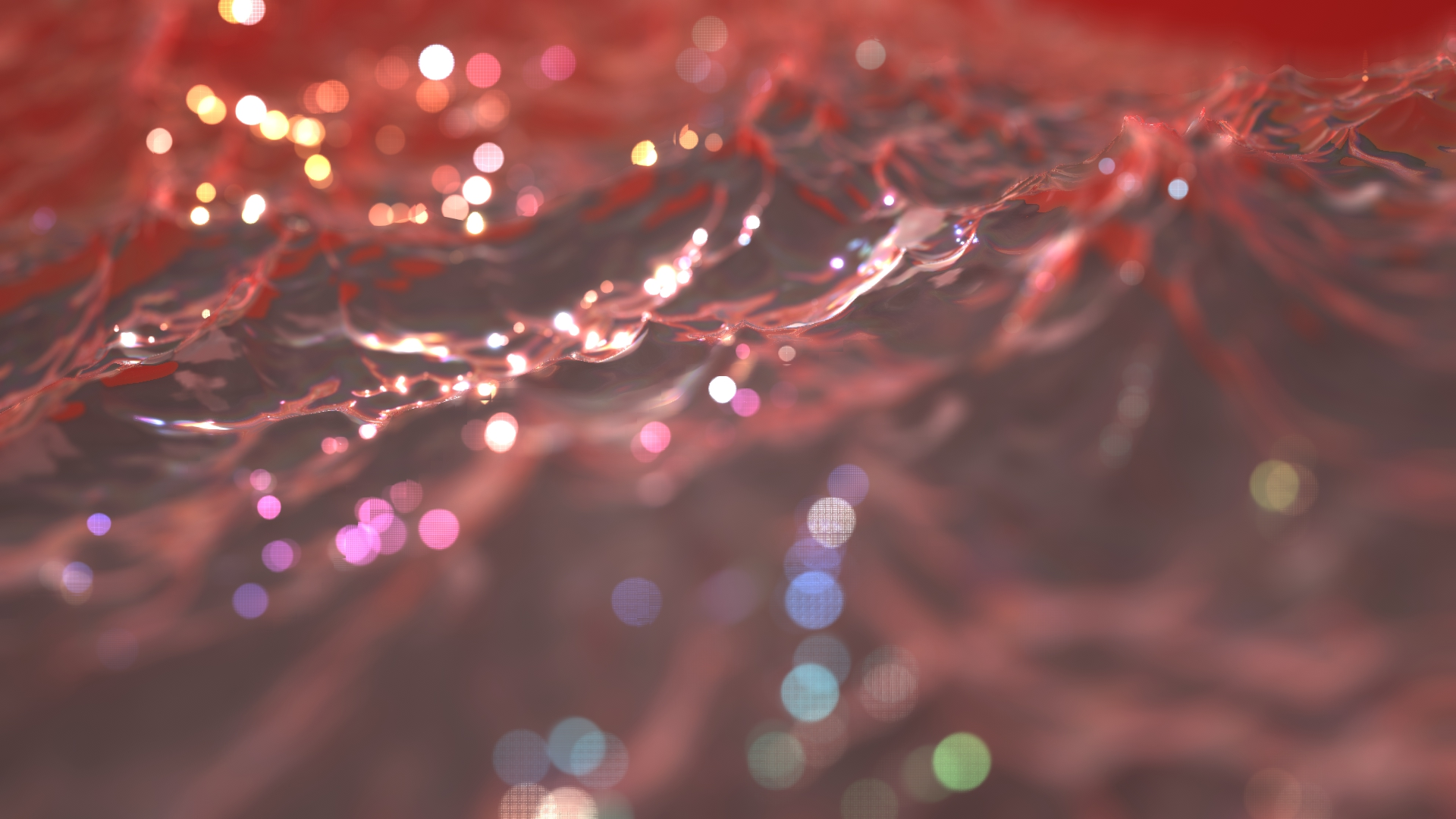
Cecilie Waagner Falkenstrøm, Alas, in Vain, Beloved Machine, 2026
‘Unknowingly, he desires himself, and he who praises is himself praised, and while he courts, he is himself courted, so that he both kindles the fire and burns within it.’ – Ovid, Metamorphoses, Book III, lines 402–436, translated here from A. S. Kline’s English translation.
In Alas, in Vain, Beloved Machine, Cecilie Waagner Falkenstrøm draws on the Greek myth of Narcissus, who falls in love with his own reflection. So captivated is he by his image that he cannot tear himself away from it. Ultimately, it leads to his demise. Falkenstrøm uses the myth to explore our relationship with artificial intelligence and the algorithms that increasingly permeate our everyday lives. What happens when we encounter a technology that can imitate our language and provide answers to almost any question? And what happens to our relationships with ourselves and one another as we increasingly turn to artificial intelligence?
Artificial intelligence is trained on texts and images created by humans. It can therefore function as a mirror, reflecting our thoughts, desires and imaginings. But what exactly are we encountering when we look into this digital mirror? With Alas, in Vain, Beloved Machine, Falkenstrøm invites us to reflect on how artificial intelligence shapes our relationships, our sense of self and our need to be seen and understood. Have we all become modern-day Narcissuses?
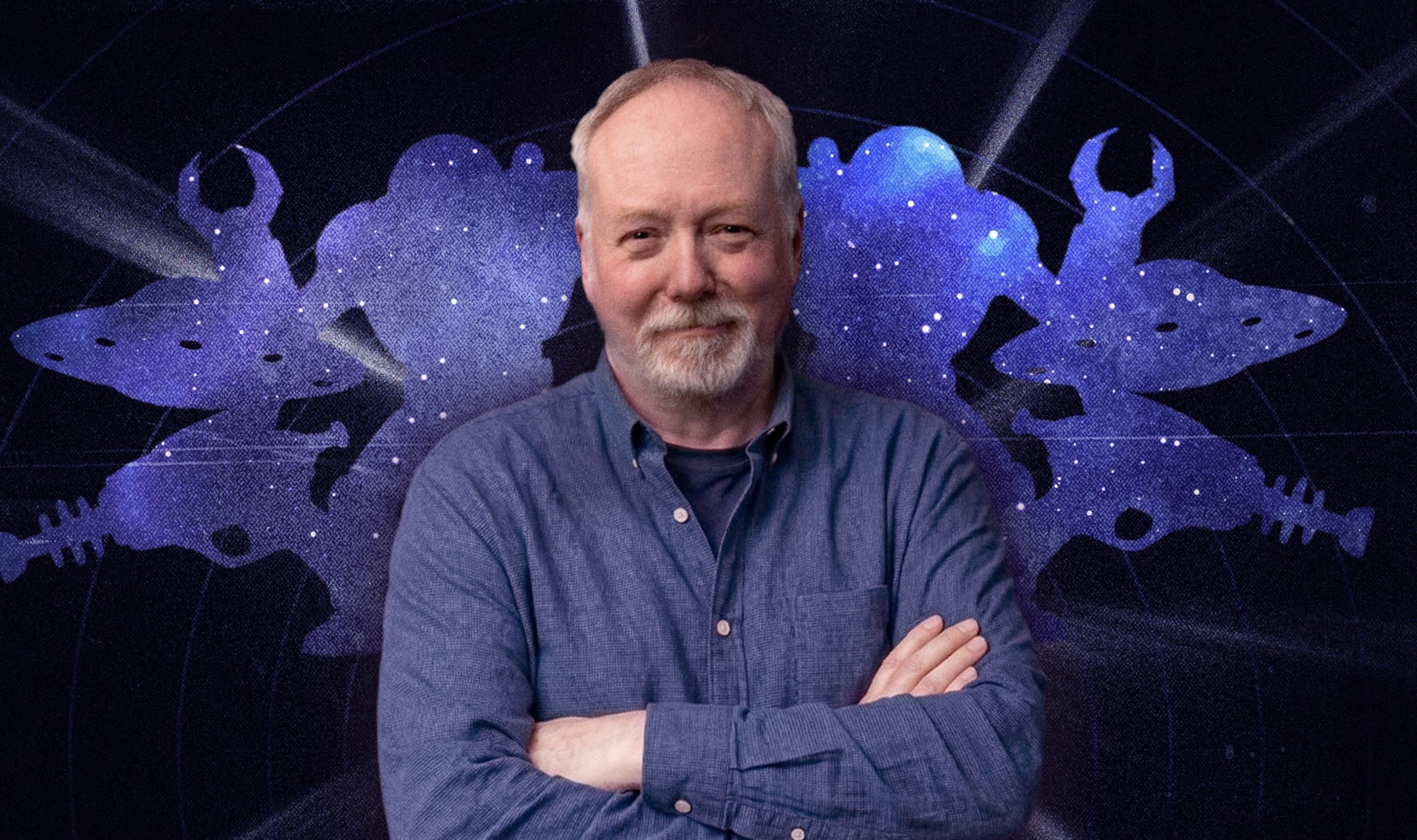
Cecilie Waagner Falkenstrøm is a Danish artist who has been working with artificial intelligence since 2016. Through interactive installations, she explores the relationship between humans and technology, raising questions about identity, power and our understanding of what it means to be human.